
Artificial Intelligence in Healthcare: Revolutionizing Patient Care and Medical Diagnosis
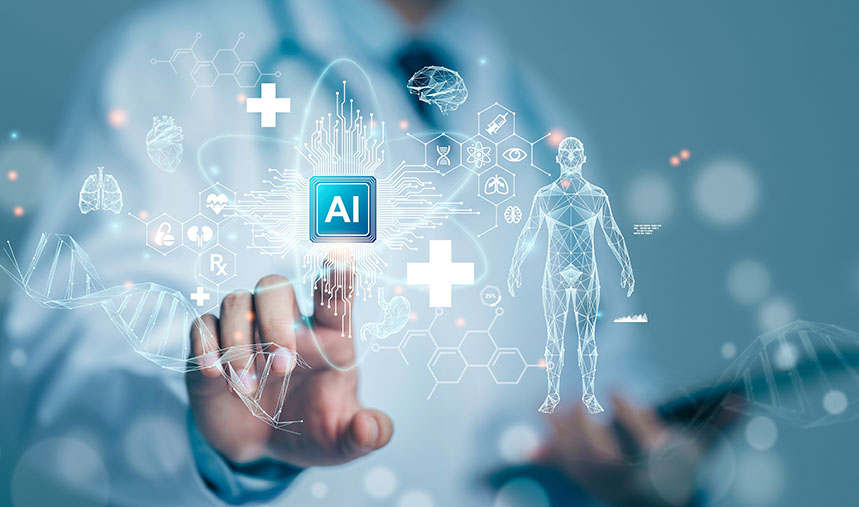
The healthcare industry is undergoing a significant transformation, and one of the driving forces behind this change is Artificial Intelligence in Healthcare. From improving diagnostic accuracy to streamlining hospital operations, artificial intelligence (AI) is revolutionizing the way healthcare professionals deliver patient care. By analyzing vast amounts of medical data, identifying patterns, and supporting clinical decision-making, AI is helping healthcare providers improve outcomes while reducing costs and inefficiencies.
Today, Artificial Intelligence in Healthcare is being used in hospitals, research centers, diagnostic laboratories, and pharmaceutical companies worldwide. As technology continues to advance, AI is expected to play an even greater role in personalized medicine, disease prevention, and healthcare management.
What is Artificial Intelligence in Healthcare?
Artificial Intelligence in Healthcare refers to the use of machine learning, natural language processing, computer vision, and other AI technologies to assist healthcare professionals in diagnosing diseases, developing treatment plans, managing patient records, and improving overall healthcare services.
AI systems can process enormous amounts of medical information much faster than humans, enabling healthcare providers to make more informed decisions.
https://en.wikipedia.org/wiki/Artificial_intelligence_in_healthcare
Why Artificial Intelligence is Important in Healthcare
The healthcare sector generates vast quantities of data every day. Managing and analyzing this data manually can be challenging and time-consuming.
AI helps by:
- Enhancing diagnostic accuracy
- Reducing human errors
- Improving patient outcomes
- Automating administrative tasks
- Supporting medical research
- Optimizing treatment recommendations
As a result, Artificial Intelligence in Healthcare is becoming an essential tool for modern medical practices.
How Artificial Intelligence is Transforming Patient Care
One of the most significant contributions of Artificial Intelligence in Healthcare is its ability to improve patient care.
Faster and More Accurate Diagnosis
AI-powered systems can analyze medical images, laboratory reports, and patient histories to detect diseases at an early stage.
Medical Imaging Analysis
AI can assist radiologists by identifying abnormalities in:
- X-rays
- CT scans
- MRI scans
- Ultrasound images
Early Disease Detection
Early diagnosis of conditions such as cancer, heart disease, and neurological disorders can significantly improve treatment outcomes.
Improved Diagnostic Precision
AI algorithms help reduce misdiagnosis by identifying subtle patterns that may be difficult for humans to detect.
Personalized Treatment Plans
Every patient is unique, and AI helps healthcare providers create customized treatment plans based on individual health data.
By analyzing factors such as:
- Medical history
- Genetic information
- Lifestyle habits
- Current health conditions
AI can recommend more effective treatment strategies.
Remote Patient Monitoring
Wearable devices and smart health technologies are increasingly integrated with AI systems.
Benefits of Remote Monitoring
- Continuous health tracking
- Early identification of health risks
- Reduced hospital visits
- Better management of chronic conditions
This application of Artificial Intelligence in Healthcare allows doctors to monitor patients in real time and intervene when necessary.
Artificial Intelligence in Medical Diagnosis
Accurate diagnosis is critical for effective treatment. AI-powered diagnostic tools are helping healthcare professionals detect diseases with greater speed and accuracy.
AI in Cancer Detection
Cancer diagnosis often requires analyzing large amounts of imaging and pathological data.
AI systems can identify:
- Tumor growth patterns
- Cancerous cells
- Disease progression
This enables earlier detection and more targeted treatment approaches.
AI for Cardiovascular Disease Diagnosis
Heart disease remains one of the leading causes of death worldwide.
AI helps by:
- Predicting heart attack risks
- Monitoring heart health
- Detecting abnormal heart rhythms
- Analyzing ECG data
These capabilities improve patient outcomes and support preventive healthcare.
AI in Neurological Disorders
AI is also assisting in diagnosing conditions such as:
- Alzheimer’s disease
- Parkinson’s disease
- Epilepsy
- Stroke
Early identification of neurological disorders can significantly improve treatment effectiveness.
Benefits of Artificial Intelligence in Healthcare
The growing adoption of Artificial Intelligence in Healthcare offers numerous advantages for patients, healthcare providers, and medical institutions.
Enhanced Efficiency
AI automates repetitive administrative tasks such as:
- Appointment scheduling
- Billing processes
- Medical record management
- Data entry
This allows healthcare professionals to focus more on patient care.
Reduced Medical Errors
Human errors can sometimes lead to incorrect diagnoses or treatment decisions.
AI minimizes these risks by:
- Cross-referencing medical data
- Identifying inconsistencies
- Providing evidence-based recommendations
Improved Patient Outcomes
AI supports more accurate diagnoses and personalized treatment plans, leading to better health outcomes.
Cost Reduction
Healthcare organizations can reduce operational costs by using AI-powered systems to streamline workflows and improve resource allocation.
Applications of Artificial Intelligence in Healthcare
The use cases of Artificial Intelligence in Healthcare continue to expand across multiple areas.
Drug Discovery and Development
Developing new medications traditionally requires years of research and testing.
AI accelerates this process by:
- Analyzing biological data
- Identifying potential drug candidates
- Predicting treatment effectiveness
This helps pharmaceutical companies bring new medicines to market faster.
Virtual Health Assistants
AI-powered virtual assistants help patients access healthcare information and manage appointments.
Examples include:
- Symptom checkers
- Medication reminders
- Health monitoring apps
- Virtual consultation tools
Robotic Surgery
AI-assisted robotic systems are enhancing surgical precision and reducing recovery times.
Benefits include:
- Smaller incisions
- Reduced complications
- Improved accuracy
- Faster patient recovery
Healthcare Data Management
Hospitals generate enormous amounts of patient information daily.
AI helps organize and analyze this data efficiently, improving decision-making and patient care.
Challenges of Artificial Intelligence in Healthcare
Despite its benefits, Artificial Intelligence in Healthcare also faces several challenges.
Data Privacy and Security
Healthcare data contains sensitive patient information.
Organizations must ensure:
- Strong cybersecurity measures
- Regulatory compliance
- Secure data storage
- Patient confidentiality
High Implementation Costs
AI technologies often require significant investments in infrastructure, software, and training.
Ethical Considerations
Questions surrounding accountability, transparency, and decision-making must be addressed as AI becomes more integrated into healthcare systems.
Need for Human Oversight
While AI provides valuable support, healthcare professionals must remain involved in critical clinical decisions.
AI should complement human expertise rather than replace it.
Future Trends in Artificial Intelligence in Healthcare
The future of Artificial Intelligence in Healthcare is promising, with new innovations emerging regularly.
Predictive Healthcare
AI will increasingly help predict diseases before symptoms appear, enabling preventive interventions.
Precision Medicine
Advancements in genetics and AI will allow highly personalized treatment plans tailored to individual patients.
AI-Powered Wearables
Smart devices will continue to monitor health conditions and provide real-time insights to both patients and healthcare providers.
Advanced Medical Research
AI will accelerate scientific discoveries by analyzing complex medical datasets and identifying new treatment possibilities.
Best Practices for Implementing AI in Healthcare
Healthcare organizations looking to adopt AI should follow these best practices:
Invest in Quality Data
Accurate and comprehensive data is essential for effective AI performance.
Train Healthcare Professionals
Medical staff should understand how AI systems work and how to use them effectively.
Focus on Patient-Centered Care
AI solutions should enhance patient experiences and improve healthcare outcomes.
Ensure Regulatory Compliance
Organizations must comply with healthcare regulations and ethical standards when implementing AI technologies.
Conclusion
Artificial Intelligence in Healthcare is transforming the medical industry by improving patient care, enhancing diagnostic accuracy, and streamlining healthcare operations. From disease detection and personalized treatment plans to robotic surgery and predictive healthcare, AI is helping healthcare providers deliver better outcomes while reducing costs and inefficiencies.
As technology continues to evolve, the role of Artificial Intelligence in Healthcare will become even more significant. Healthcare organizations that embrace AI responsibly and strategically will be better positioned to provide high-quality, patient-centered care in the future.