
Digital Marketing Strategy: A Complete Guide to Growing Your Business Online
In today’s competitive online landscape, having a well-defined Digital Marketing Strategy is essential for businesses looking to attract customers, increase brand visibility, and achieve sustainable growth. Whether you’re a startup, small business, or established enterprise, a strong digital marketing plan helps you reach the right audience and maximize your return on investment.
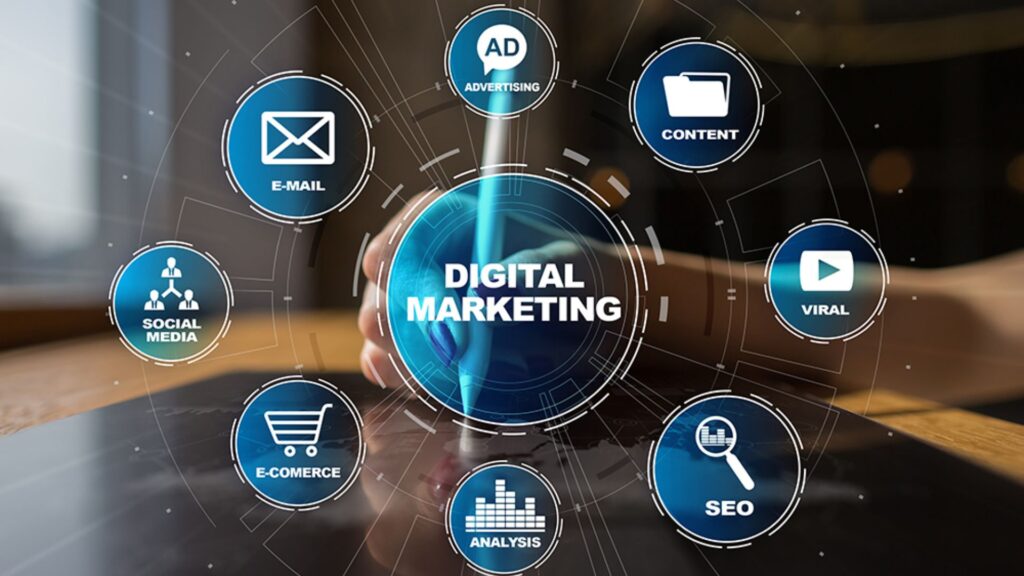
A successful Digital Marketing Strategy combines multiple online marketing channels, including search engines, social media, content marketing, email campaigns, and paid advertising. By integrating these channels effectively, businesses can create meaningful customer experiences and drive measurable results.
What is a Digital Marketing Strategy?
A Digital Marketing Strategy is a comprehensive plan that outlines how a business will use digital channels to achieve its marketing goals. It involves identifying target audiences, selecting appropriate marketing platforms, creating engaging content, and measuring performance.
The primary objective of a digital marketing strategy is to connect with potential customers where they spend most of their time—online.
Why Businesses Need a Digital Marketing Strategy
Without a clear strategy, businesses often waste time and resources on marketing activities that do not generate results. A structured approach helps organizations:
- Increase brand awareness
- Generate qualified leads
- Improve customer engagement
- Boost website traffic
- Enhance conversion rates
- Achieve long-term business growth
https://www.investopedia.com/terms/d/digital-marketing.asp
Key Benefits of a Digital Marketing Strategy
Better Audience Targeting
Digital marketing allows businesses to target customers based on demographics, interests, behavior, and location.
Improved Cost Efficiency
Compared to traditional marketing methods, digital marketing provides better tracking and often delivers a higher return on investment.
Measurable Results
Businesses can monitor campaign performance through analytics tools and make data-driven decisions.
Essential Components of a Digital Marketing Strategy
A successful Digital Marketing Strategy includes several interconnected elements that work together to achieve marketing objectives.
Search Engine Optimization (SEO)
SEO helps websites rank higher in search engine results, increasing organic traffic and visibility.
Important SEO Activities
Keyword Research
Identifying relevant keywords helps businesses understand what their audience is searching for.
On-Page Optimization
Optimizing titles, meta descriptions, headings, and content improves search engine rankings.
Content Marketing
Content is the foundation of every effective Digital Marketing Strategy. High-quality content educates, informs, and engages audiences.
Types of Content Marketing
- Blog posts
- Articles
- Videos
- Infographics
- Case studies
- E-books
Creating valuable content helps businesses establish authority and build trust with potential customers.
Social Media Marketing
Social media platforms play a vital role in connecting businesses with their target audience.
Popular Social Media Platforms
- X (Twitter)
- YouTube
Businesses can use these platforms to share content, engage with followers, and promote products or services.
Email Marketing
Email marketing remains one of the most effective digital marketing channels for nurturing leads and maintaining customer relationships.
Best Practices for Email Marketing
- Personalize email content
- Segment your audience
- Use compelling subject lines
- Include clear calls-to-action
- Analyze campaign performance
Pay-Per-Click (PPC) Advertising
PPC advertising allows businesses to display ads on search engines and social media platforms.
Benefits of PPC Campaigns
- Immediate visibility
- Highly targeted audience reach
- Flexible budgeting
- Measurable results
Popular PPC platforms include Google Ads and social media advertising networks.
How to Create an Effective Digital Marketing Strategy
Developing a successful Digital Marketing Strategy requires careful planning and execution.
Define Your Business Goals
Start by identifying what you want to achieve. Common objectives include:
- Increasing website traffic
- Generating leads
- Growing sales
- Improving brand awareness
- Enhancing customer retention
Clear goals provide direction and help measure success.
Identify Your Target Audience
Understanding your audience is critical to creating effective marketing campaigns.
Key Audience Factors
- Age
- Gender
- Location
- Interests
- Online behavior
- Purchasing habits
Creating detailed buyer personas can help businesses tailor their marketing efforts.
Conduct Competitor Analysis
Analyzing competitors helps identify industry trends and uncover opportunities.
Areas to Evaluate
- Website performance
- Content strategy
- Social media presence
- SEO rankings
- Advertising campaigns
Learning from competitors can help improve your own strategy.
Select the Right Marketing Channels
Not every platform will be suitable for every business. Choose channels based on your audience and goals.
For example:
- B2B companies often perform well on LinkedIn.
- E-commerce brands may benefit from Instagram and Facebook.
- Professional services can leverage SEO and content marketing.
Content Planning for Digital Marketing Strategy Success
Content is essential for attracting and engaging potential customers.
Create a Content Calendar
A content calendar helps maintain consistency and ensures marketing efforts align with business goals.
Content Calendar Benefits
- Improved organization
- Better content scheduling
- Consistent audience engagement
- Efficient resource allocation
Focus on Quality Content
Search engines and users prefer content that provides real value.
High-quality content should be:
- Informative
- Relevant
- Engaging
- Well-structured
- Optimized for SEO
Measuring Digital Marketing Strategy Performance
Monitoring performance helps businesses understand what works and what needs improvement.
Important Metrics to Track
Website Traffic
Track how many users visit your website and where they come from.
Conversion Rate
Measure the percentage of visitors who complete desired actions.
Customer Acquisition Cost
Determine how much it costs to acquire new customers.
Return on Investment (ROI)
Evaluate the profitability of marketing campaigns.
Useful Analytics Tools
- Google Analytics
- Google Search Console
- SEMrush
- Ahrefs
- HubSpot
These tools provide valuable insights into campaign performance.
Common Digital Marketing Strategy Mistakes to Avoid
Many businesses struggle because they overlook critical aspects of digital marketing.
Ignoring SEO
Without SEO, businesses may miss valuable organic traffic opportunities.
Lack of Clear Goals
Marketing efforts without measurable objectives often lead to poor results.
Inconsistent Branding
Maintaining a consistent brand voice across channels builds trust and recognition.
Neglecting Data Analysis
Regularly reviewing analytics helps optimize campaigns and improve performance.
Future Trends in Digital Marketing Strategy
Digital marketing continues to evolve with technology and consumer behavior.
Artificial Intelligence
AI-powered tools help automate tasks, improve personalization, and enhance customer experiences.
Voice Search Optimization
As voice assistants become more popular, optimizing content for voice search is increasingly important.
Video Marketing
Video content continues to dominate online engagement and conversions.
Personalization
Customers expect tailored experiences, making personalized marketing essential.
Conclusion
A well-planned Digital Marketing Strategy is the key to achieving online success in today’s competitive marketplace. By combining SEO, content marketing, social media, email marketing, and paid advertising, businesses can attract the right audience and generate sustainable growth.
The most successful organizations continuously analyze performance, adapt to industry trends, and refine their strategies to meet changing customer expectations. Whether you’re launching a new business or looking to scale an existing one, investing in a strong Digital Marketing Strategy can deliver long-term results and help you stay ahead of the competition.