
Travel Photography Tips: Capture Stunning Images on Every Adventure
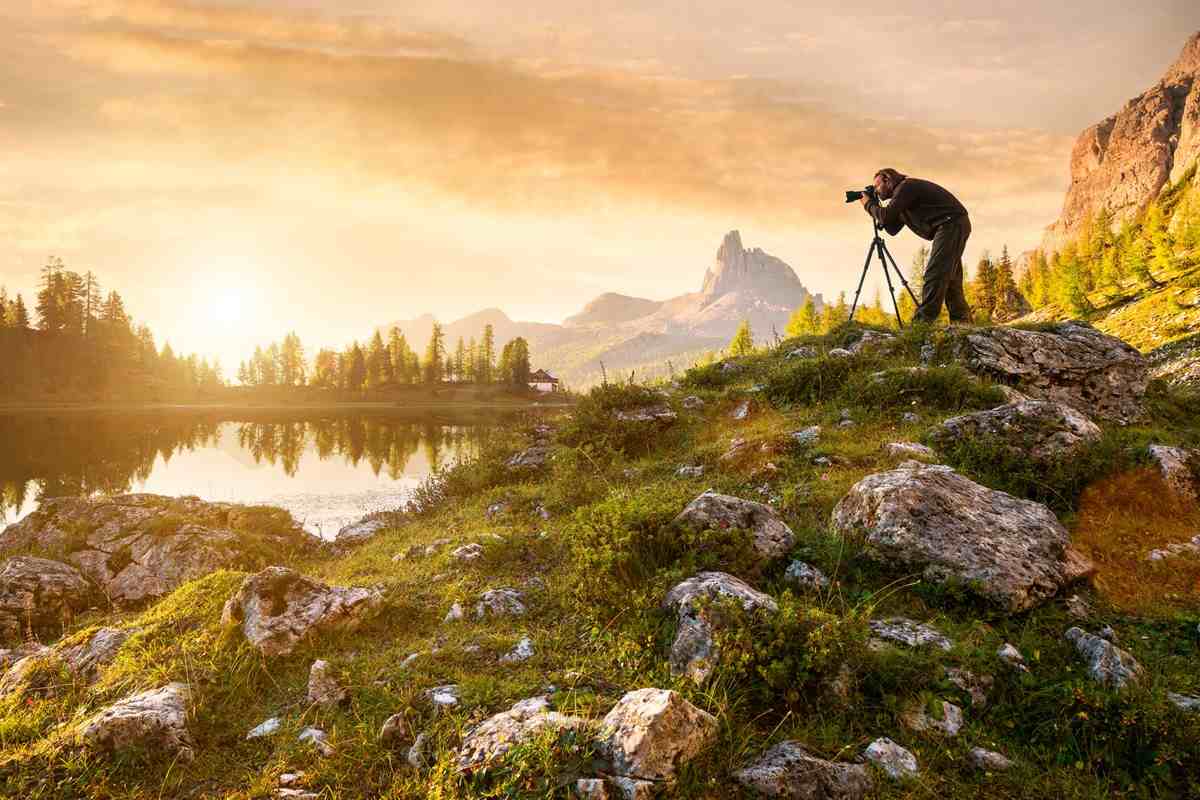
Travel allows us to explore new cultures, witness breathtaking landscapes, and create unforgettable memories. While experiencing these moments is exciting, preserving them through photography makes those memories last a lifetime. Whether you’re using a professional camera or a smartphone, mastering a few essential Travel Photography Tips can dramatically improve the quality of your photos and help you tell compelling visual stories.
Travel photography is more than simply taking pictures of famous landmarks. It is about capturing emotions, culture, nature, architecture, and the unique experiences that make every journey special. By applying proven photography techniques, you can transform ordinary travel snapshots into stunning images that inspire others and preserve your adventures beautifully.
Why Travel Photography Matters
Photography allows travelers to document their experiences and share stories with others. Great travel photos can capture emotions, preserve memories, and showcase the beauty of destinations around the world.
One of the key reasons photographers seek Travel Photography Tips is to learn how to create images that go beyond simple documentation. Strong travel photography helps viewers feel connected to the places and people featured in the image.
Benefits of Travel Photography
Travel photography offers several advantages:
- Preserves travel memories
- Enhances creativity
- Improves observation skills
- Encourages cultural appreciation
- Creates opportunities for storytelling
- Builds a professional portfolio
Whether you travel occasionally or frequently, photography can make every adventure more meaningful.
Choose the Right Equipment
While photography skills matter more than expensive gear, choosing the right equipment can improve your results.
Camera Options for Travel Photography
Modern travelers have several options:
- DSLR cameras
- Mirrorless cameras
- Compact cameras
- Smartphones
Today’s smartphones are capable of capturing impressive images, making them excellent tools for travel photography.
Essential Accessories
Helpful accessories include:
- Extra batteries
- Memory cards
- Lightweight tripod
- Lens cleaning kit
- Portable charger
Having reliable equipment ensures you’re prepared for different shooting conditions.
Understand Composition Basics
Composition plays a crucial role in creating visually appealing photographs.
Use the Rule of Thirds
One of the most important Travel Photography Tips is understanding the rule of thirds.
Imagine dividing your image into nine equal sections using two horizontal and two vertical lines. Positioning key subjects along these lines often creates more balanced and engaging compositions.
Benefits of the Rule of Thirds
- Creates visual balance
- Improves viewer engagement
- Adds depth to images
- Enhances storytelling
Most smartphones and cameras offer grid overlays to help apply this technique.
Look for Leading Lines
Leading lines naturally guide the viewer’s eyes through an image.
Examples include:
- Roads
- Bridges
- Rivers
- Railway tracks
- Pathways
These elements add depth and visual interest to your photographs.
Frame Your Subject
Natural frames can make subjects stand out.
Examples include:
- Windows
- Doorways
- Tree branches
- Archways
Using frames creates stronger compositions and directs attention to the main subject.
Master Natural Lighting
Lighting is one of the most important factors in photography.
Shoot During Golden Hour
Golden hour occurs shortly after sunrise and before sunset.
Benefits include:
- Soft light
- Warm tones
- Reduced harsh shadows
- Beautiful atmosphere
Many professional photographers consider this one of the most valuable Travel Photography Tips.
Avoid Harsh Midday Light
Midday sunlight often creates strong shadows and overexposed highlights.
If shooting during midday:
- Look for shaded areas
- Use diffused lighting
- Adjust exposure settings
Experiment with Blue Hour
Blue hour occurs just before sunrise and after sunset.
This period provides:
- Soft blue tones
- Dramatic skies
- Beautiful cityscape opportunities
Blue hour photography is especially effective for urban and architectural scenes.
Capture Authentic Local Culture
Travel photography is about more than landscapes and landmarks.
Photograph Everyday Life
Some of the most memorable travel images capture daily life and local traditions.
Subjects may include:
- Street markets
- Local festivals
- Traditional crafts
- Public transportation
- Cultural ceremonies
These images help tell deeper stories about a destination.
Respect Local Communities
Always be respectful when photographing people.
Ask for Permission
When possible, seek permission before taking portraits.
Benefits include:
- Building trust
- Creating genuine interactions
- Capturing authentic expressions
Respectful behavior is an essential part of ethical travel photography.
Improve Landscape Photography
Landscape photography is often a major focus for travelers.
Include a Foreground Element
Adding a foreground subject creates depth and perspective.
Examples include:
- Rocks
- Flowers
- Trees
- Boats
This simple technique makes landscapes more engaging.
Use Different Perspectives
Instead of always shooting from eye level, experiment with:
- Low angles
- High viewpoints
- Side perspectives
Changing your viewpoint often results in more creative and unique images.
Be Patient
Weather and lighting conditions can change rapidly.
One of the most valuable Travel Photography Tips is learning to wait for the right moment.
Patience often leads to exceptional photographs.
Tell a Story Through Your Images
Great travel photography tells a story rather than simply documenting a location.
Capture a Variety of Shots
A complete visual story includes:
- Wide shots
- Medium shots
- Close-up details
- Portraits
- Action scenes
This variety helps create a richer narrative.
Focus on Emotions
Photographs that capture genuine emotions often leave lasting impressions.
Look for moments that express:
- Joy
- Wonder
- Curiosity
- Celebration
- Reflection
Emotion adds depth and meaning to travel photography.
Learn Basic Camera Settings
Understanding camera settings improves creative control.
Aperture
Aperture affects depth of field.
Wide apertures:
- Create blurred backgrounds
- Highlight subjects
Narrow apertures:
- Keep landscapes sharp
- Increase image detail
Shutter Speed
Shutter speed controls motion.
Fast shutter speeds freeze action, while slower speeds create motion blur effects.
ISO
ISO controls camera sensitivity to light.
Lower ISO values generally produce cleaner images with less noise.
Mastering these settings is one of the most effective Travel Photography Tips for improving image quality.
Edit Photos Thoughtfully
Editing can enhance photographs without making them appear unnatural.
Basic Editing Adjustments
Common improvements include:
- Exposure correction
- Contrast enhancement
- Color balancing
- Cropping
- Sharpening
Popular Editing Apps
Travel photographers often use:
- Adobe Lightroom
- Snapseed
- Photoshop
- VSCO
Editing helps bring out the best qualities of your images while maintaining authenticity.
Travel Photography Tips for Smartphone Users
Many travelers rely entirely on smartphones for photography.
Keep Your Lens Clean
A dirty lens can significantly reduce image quality.
Use Grid Lines
Grid overlays help improve composition and alignment.
Avoid Excessive Zoom
Digital zoom often reduces image quality.
Instead:
- Move closer to the subject
- Crop during editing
Take Multiple Shots
Capturing several versions of a scene increases the likelihood of getting the perfect image.
Common Travel Photography Mistakes to Avoid
Even experienced photographers make mistakes.
Taking Too Many Similar Photos
Focus on quality rather than quantity.
Ignoring the Background
A cluttered background can distract from the main subject.
Forgetting to Backup Images
Always store photos in multiple locations.
Consider using:
- Cloud storage
- External hard drives
- Additional memory cards
Overediting
Excessive editing can make photos look unrealistic.
Aim for natural enhancements that preserve the authenticity of the scene.
Building a Travel Photography Portfolio
If you’re serious about photography, consider creating a portfolio.
Organize Your Best Work
Select images that demonstrate:
- Technical skill
- Creativity
- Storytelling ability
- Variety of subjects
Share Your Work Online
Platforms such as:
- Personal websites
- Photography communities
can help showcase your travel photography and connect you with other photographers.
Conclusion
Mastering Travel Photography Tips can help you capture stunning images that preserve memories and tell meaningful stories from your adventures. By understanding composition, lighting, storytelling, camera settings, and editing techniques, you can significantly improve your photography skills regardless of the equipment you use.
The best travel photographs often come from patience, observation, and a willingness to experiment. Whether you’re exploring bustling cities, remote landscapes, or cultural landmarks, applying these Travel Photography Tips will help you create memorable images that bring your travel experiences to life for years to come.